
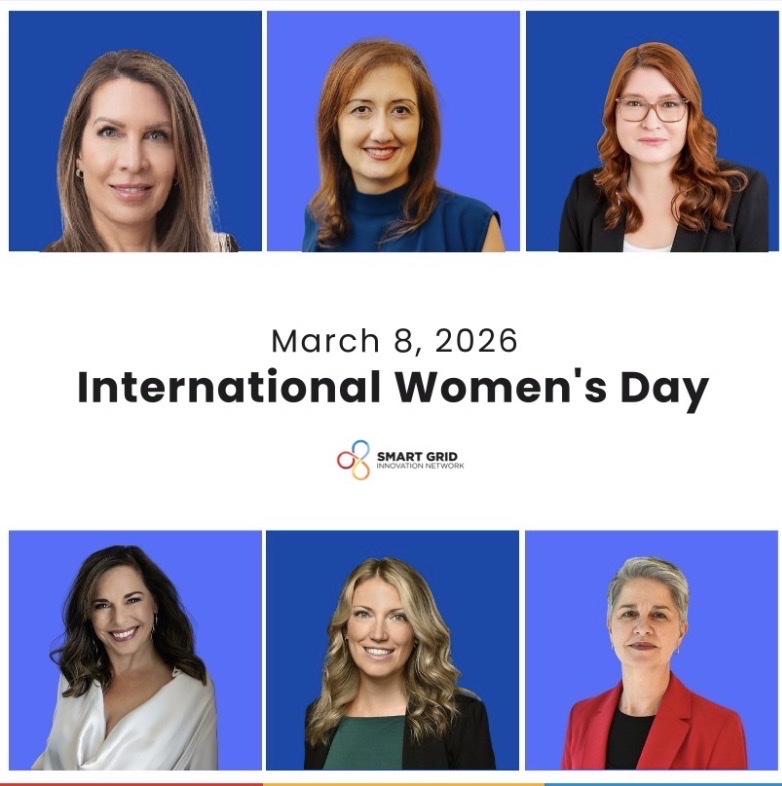
Lawson Climate Institute’s Shatha Qaqish-Clavering also serves as Board Member for Smart Grid Innovation Network (SGIN) Canada. She offered SGIN insights on the contributions of women in Canada’s energy sector.
In a post on LinkedIn, SGIN featured Shatha Qaqish-Clavering of Lawson Climate Institute as part of their International Women’s Day (IWD) series. The post goes on to say:
#IWD is about celebrating and supporting all women, and this year, SGIN is shining a spotlight on six incredible women who are helping shift the way we think about and work in the Canadian energy sector (& beyond!).
It also features a quote from Shatha: “There are no limits to the contributions women can make to Canada’s energy sector – whether through world-leading research or executive leadership within major energy organizations.”
IWD is a specific day dedicated to the advancement of women worldwide. Marked by millions of people on March 8, IWD provides an important platform to engage with communities, reflect on progress, and commit to positive action. Participation in IWD ensures progress toward equality remains on the global agenda and positive action prevails. The 2026 theme for IWD is “Give to Gain.” Learn more at: internationalwomensday.com.
Read the full interview below:
Q: What is one barrier you have had to navigate in the Canadian energy sector, and how did you overcome it?
A: There is a significant opportunity to deepen awareness within the energy industry of the strategic value academia brings — particularly at a time of unprecedented energy transformation. As the sector navigates complex technological, environmental, and policy shifts, success will depend on fully leveraging research excellence, innovation capacity, and cross-sector collaboration. Achieving meaningful progress requires all hands on deck.
Q: Where do you see the biggest opportunity for women to shape Canada’s energy future?
A: There are no limits to the contributions women can make to Canada’s energy sector — whether through world-leading research or executive leadership within major energy organizations. While progress is evident, greater representation remains essential. Women contribute diverse cultural perspectives, multidisciplinary expertise, and inclusive leadership approaches that strengthen decision-making, innovation, and organizational performance.
Q: What’s one piece of advice you would give to young women considering a career in energy?
A: Women are often among the most passionate advocates for environmental stewardship and forward-thinking solutions. I encourage them to channel that commitment into the energy sector, which is undergoing one of the most significant transformations in modern history. The scale and pace of change anticipated in the coming decades will surpass anything witnessed in the past century, presenting a pivotal opportunity to shape a more sustainable and resilient energy future.